
The Art of In-Mold Label Design for Biscuit Boxes – How to Make Packaging "Speak"
The Art of In-Mold Label Design for Biscuit Boxes – How to Make Packaging "Speak"
On supermarket shelves, dozens of biscuit brands compete for attention. Consumers spend only two or three seconds looking at each product.
In those two or three seconds, whether the packaging can "speak" determines whether the product is picked up or overlooked. In-Mold Labeling (IML) technology is the key tool that transforms biscuit box packaging from a "silent container" into a "talking salesperson."
📖 Table of Contents
1. Why Do Biscuit Boxes Need Packaging That "Speaks"?
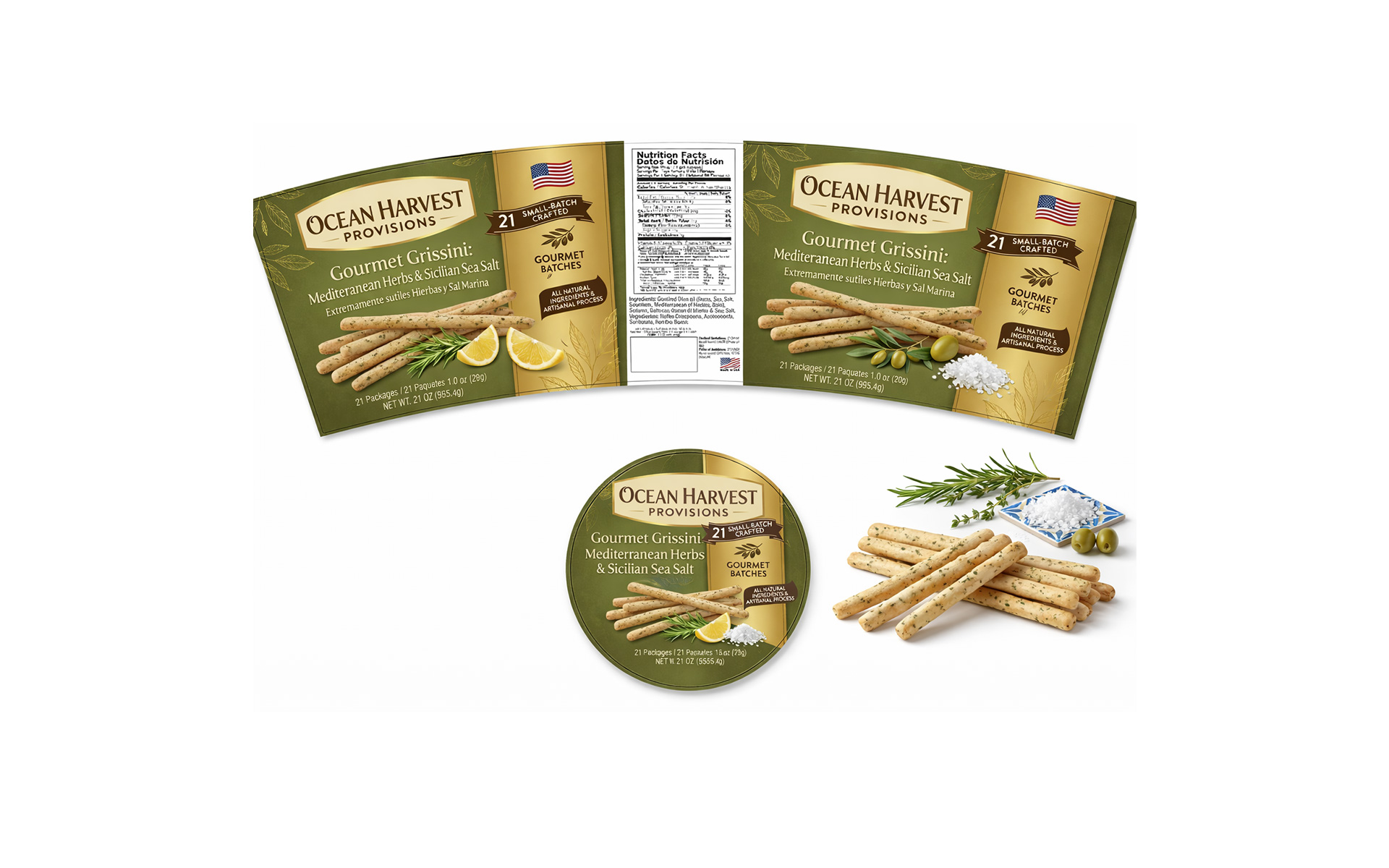
In the fiercely competitive food market, packaging has long surpassed its original function of "product protection" and has become a crucial means of communication. Modern packaging is no longer a simple container, but a strategic marketing and communication tool.
For fast-moving consumer goods like biscuits, the "communication power" of packaging directly determines:
- Shelf appeal: Whether it stands out among numerous competitors
- Brand recognition: Whether consumers can identify the brand at a glance
- Purchase decisions: Whether it can trigger a consumer's impulse to buy in an instant
The emergence of IML technology has given biscuit box packaging the ability to "speak" – through realistic, high-quality images, truly making the product stand out and win attention on the shelf.
2. How Does IML Enable Packaging That "Speaks"?
2.1 Photo-Quality High-Definition Images – Let Biscuits "Sell Themselves"
IML technology allows high-resolution images and exquisite patterns to be printed on labels. This means product images on biscuit boxes can achieve photo-quality clarity – the texture, color, and details of chocolate chips on biscuits can all be accurately reproduced.
Why is this crucial for biscuit packaging?
Research shows that tempting, realistic food renderings can stimulate appetite, and stimulating appetite directly promotes food consumption. When consumers see a "sizzling" chocolate biscuit close-up on the packaging, their brains have already "tasted" the product – the purchase decision is half-made at the visual level.
IML allows this "appetite-inducing" imagery to be presented on packaging at the highest quality, and to maintain vibrant colors throughout the product's entire life cycle. Traditional printed images fade and wear, but IML images are protected inside the film – never fading, never wearing.
2.2 360° Full-Wrap Vision – Make the Brand "Everywhere"
IML labels can integrate with the container and are suitable for side surfaces, bottoms, and overall packaging of round, square, multi-contoured, and irregularly shaped containers. This means brand information can cover every side of the biscuit box – from 360° full-wrap to five-sided printing, from body to lid.
The red Family Circle biscuit boxes produced by the WPG Group at its UK factory use IML decoration on both the lid and the container body, combined with appetite-inducing, vibrant biscuit imagery, giving the product a high-quality appearance. The lid and body simultaneously display brand information, allowing consumers to see the complete brand image from any angle.
2.3 Integrated Molding, Flawless – Let Quality "Speak for Itself"
IML labels fuse as one with the container during injection molding – no bubbles, no wrinkles, no curled edges. The label and the box body are on the same plane, with patterns appearing as if printed directly onto the surface.
This "no-label" visual effect itself conveys a message: this product is crafted with quality and care. Consumers don't need to read any text – just by touch and appearance, they can judge the product's premium positioning.
3. Design Strategies for Packaging That "Speaks"
3.1 Trigger Purchase Impulses with "Appetite-Inducing" Imagery
Strategy: Place high-definition biscuit product images in the main visual area of the packaging, making consumers "want to eat just by looking."
Practical tips:
- Use high-resolution photography or fine renderings to ensure rich image detail
- Choose color combinations that stimulate appetite – research shows that color combinations like red and black can enhance quality perception and increase appetite
- Leverage IML's high-fidelity color reproduction to make images vibrant and richly layered
- Images should highlight biscuit texture and ingredients – chocolate chips, nut pieces, cream layers, and other details
3.2 Build Emotional Connections with Brand Stories and Culture
Strategy: Incorporate brand logos, patterns, and even elements related to the product's story into label design.
IML technology allows brands to display unique logos, patterns, and even product-story-related elements on biscuit boxes. This design not only enhances brand recognition but also provides consumers with more opportunities to interact with the brand.
Practical tips:
- Tell the story of brand origins or product craftsmanship on the label
- Use iconic brand colors and graphics to reinforce visual identity
- Incorporate brand cultural symbols into decorative elements
3.3 Elevate Quality Perception with Detail Design
Strategy: Leverage IML's high-precision printing and diverse surface effects to reflect quality in the details.
Practical tips:
- Use IML's high-precision printing for fine lines and patterns
- Enhance tactile and visual depth through localized special effects (such as metallic sheen, gloss-matte contrast)
- Apply IML on both the lid and the body simultaneously for visual unity across the entire package
4. Make Packaging "Interactive" – Innovative Applications of Moiré Animation
If "appetite-inducing imagery" makes packaging "speak," then Moiré animation makes packaging "perform."
Moiré patterns are an optical phenomenon – when "grating-like stripes overlap," interference patterns are produced. Applying this principle to packaging can transform static, flat patterns into dynamic images.
Application on biscuit boxes:
- Draw Moiré animation on the label surface. When consumers shift their viewing angle, the pattern produces a dynamic effect
- This design breaks through traditional biscuit packaging, placing greater emphasis on fun and being more attractive to consumers
- Particularly suitable for children's biscuits, seasonal limited editions, gift sets, and other products that need a "surprise factor"
Technical implementation tips:
- Choose smooth, rigid materials for the container (such as grey glossy material)
- For the outer grating layer, select transparent materials with good shape retention (such as PVC) to ensure the animation effect is stable and clear
Moiré animation transforms the biscuit box from a "container" into a "toy" – the moment consumers pick up the product, they begin interacting with the brand.
5. FAQ
IML can achieve photo-quality high-definition image effects. Whether it's biscuit texture, color, or ingredient details, everything can be accurately reproduced. Printed colors are vibrant, richly layered, and exquisitely detailed.
No. IML ink is sandwiched between the film and the plastic, not directly exposed to air or friction. IML labels can maintain vibrant colors throughout the product's entire life cycle.
"Appetite-inducing" imagery uses high-definition food photography or rendering to make product images on packaging look tempting, delicious, and mouth-watering. Research proves that such imagery can stimulate consumers' appetite, thereby promoting purchase decisions.
Moiré animation is achieved by drawing special grating stripes on the label surface. Through the principle of optical interference, static patterns produce dynamic effects as the viewing angle shifts. This requires selecting smooth, rigid container materials and transparent grating layers with good shape retention.
Yes. IML technology can apply labels to both the container body and the lid simultaneously. The lid can both protect the product and display brand graphics, enhancing shelf appeal.
IML has higher upfront mold investment and is better suited for medium-to-large batch production. However, for brands pursuing a premium image and needing differentiated competition, the shelf impact and brand premium that IML delivers often cover the initial investment costs.
Contact Us
Name*
Telephone*
Region*
Please fill in your request*


